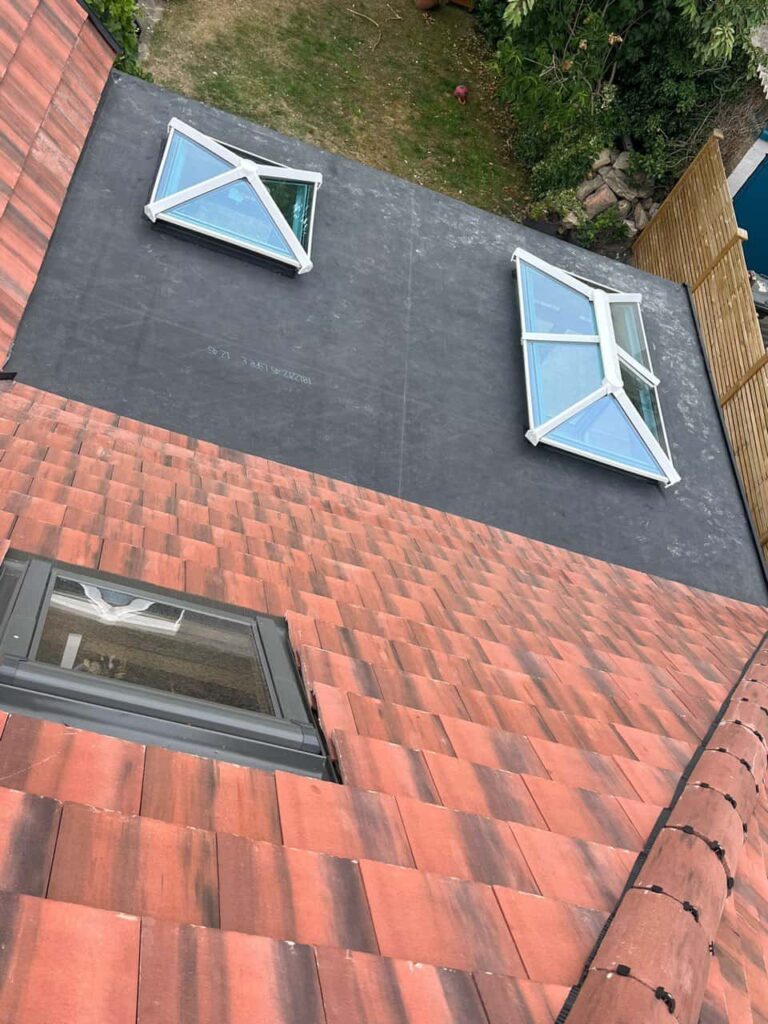
Slate roofing is known for its durability, weather resistance and traditional appearance. When installed and maintained correctly, a slate roof can perform reliably for decades. However, slate slippage is a problem that can develop over time if underlying issues are present. In Woodley, Berkshire, recognising the causes of slate movement early is essential to protecting the roof and preventing wider damage.
In this article, LS Roofing Woodley explains what causes slate slippage and how professional roofing practices help prevent it.
What Is Slate Slippage?
Slate slippage occurs when individual slates move out of their original position on the roof. This can create gaps that expose the roof beneath to weather and moisture. Slippage may affect a single slate or multiple areas, depending on the underlying cause.
Even minor slate movement should be treated seriously, as exposed sections can allow water ingress and accelerate deterioration of surrounding materials.
Common Causes of Slate Slippage
Slate slippage rarely happens without reason. It is usually the result of ageing materials, environmental exposure or installation-related issues.
Deterioration of Fixings
Slates are typically secured using metal fixings. Over time, these fixings can weaken due to corrosion or fatigue.
This can lead to:
- Slates becoming loose or detached
- Movement during windy conditions
- Gradual displacement across sections of the roof
As fixings fail, slates rely solely on gravity to remain in place, increasing the risk of slippage.
Ageing Roof Battens
Roof battens provide the framework that supports slate fixings. If battens deteriorate due to age or moisture exposure, they may no longer hold fixings securely.
Weakened battens can cause:
- Loss of fixing grip
- Uneven support across the roof
- Progressive slate movement
This issue often affects older roofs where original timber components have reached the end of their effective lifespan.
Weather Exposure and Wind Uplift
Strong winds can place repeated stress on slate roofs, particularly at edges, ridges and exposed elevations. Over time, this movement can loosen fixings and encourage slates to slip.
In areas like Woodley, changing weather patterns can gradually contribute to this form of wear.
Inadequate Installation or Past Repairs
Improper fixing techniques or poor-quality previous repairs can also lead to slate slippage.
Examples include:
- Incorrect fixing positions
- Insufficient fixings per slate
- Use of unsuitable materials
These issues may not be immediately visible but can emerge years later as slates begin to move.
How Slate Slippage Is Prevented
Preventing slate slippage relies on correct installation, regular inspection and timely professional intervention.
Secure Fixing Methods
Professional roofing work ensures slates are fixed using appropriate materials and techniques suited to the roof’s design and exposure.
Correct fixing:
- Reduces movement under wind pressure
- Maintains even load distribution
- Supports long-term stability
Maintaining the Supporting Structure
Ensuring roof battens and underlay remain in good condition is essential for slate performance. Any deterioration should be addressed before it affects the slates themselves.
A sound structure provides:
- Reliable fixing support
- Consistent slate alignment
- Reduced risk of future movement
Early Identification Through Inspection
Routine inspections help identify early signs of slate movement before more serious problems develop.
Professional inspections can:
- Detect loose or displaced slates
- Identify weakening fixings or battens
- Prevent water ingress through exposed areas
Early action is one of the most effective ways to prevent widespread slippage.
Professional Repair and Replacement
When slippage occurs, professional repair ensures affected slates are properly refixed or replaced where necessary, using methods that match the original roof construction.
This approach:
- Restores roof integrity
- Prevents repeat movement
- Protects surrounding slates from further stress
Conclusion
Slate slippage is most often caused by ageing fixings, deteriorating battens, weather exposure or installation-related issues. While it may start as a minor problem, untreated slate movement can lead to water ingress and broader roof deterioration.
For homeowners in Woodley, Berkshire, professional assessment and timely roofing work are key to preventing slate slippage and maintaining roof performance. LS Roofing Woodley provides experienced slate roofing care, helping ensure roofs remain secure, weather-resistant and reliable. If you have noticed movement or gaps in your slate roof, professional advice can help prevent further issues and protect your property.
Call us on: 0118 230 0189
Click here to find out more about LS Roofing Woodley
Click here to complete our contact form and see how we can help with your roofing needs.