Persistent damp can be frustrating because the place where moisture becomes visible is not always where the problem begins. A stain on a ceiling or wall may be caused by water entering through the roof and travelling beneath coverings, along timbers or behind internal finishes before it appears indoors.
For property owners in Woodley, Berkshire, a professional roof inspection can help establish whether damaged roofing materials are contributing to the problem. Identifying the source accurately is essential because treating the visible damp alone will not stop it from returning.
How a Roof Inspection Can Help Identify the Source of Damp
A roof inspection assesses the complete route that rainwater could take into the property. This includes the external covering, vulnerable junctions, drainage points and accessible materials within the loft. Examining these areas together helps distinguish an isolated defect from more widespread deterioration.
Why Roof-Related Damp Can Be Difficult to Trace
Rainwater does not always travel vertically. Once it passes beneath a tile, slate or section of flashing, it can move along underlay, battens and rafters before reaching the interior.
Consequently, a damp patch may appear some distance from the actual roof defect. The problem might also become noticeable only during wind-driven rain or prolonged wet weather, making the connection less obvious. Professional diagnosis focuses on likely water-entry points rather than assuming that the defect is directly above the stain.
Damaged or Displaced Roof Coverings
Cracked, missing or slipped tiles can expose the layers beneath the main roof covering. Even a small gap may allow rainwater to enter when weather conditions direct it towards the vulnerable area.
Some defects are difficult to see from ground level. A tile may remain in place while being fractured, or its fixing may have failed and allowed it to move slightly. An inspection can identify these less obvious problems and assess whether nearby coverings remain secure.
Deteriorated Lead Flashing
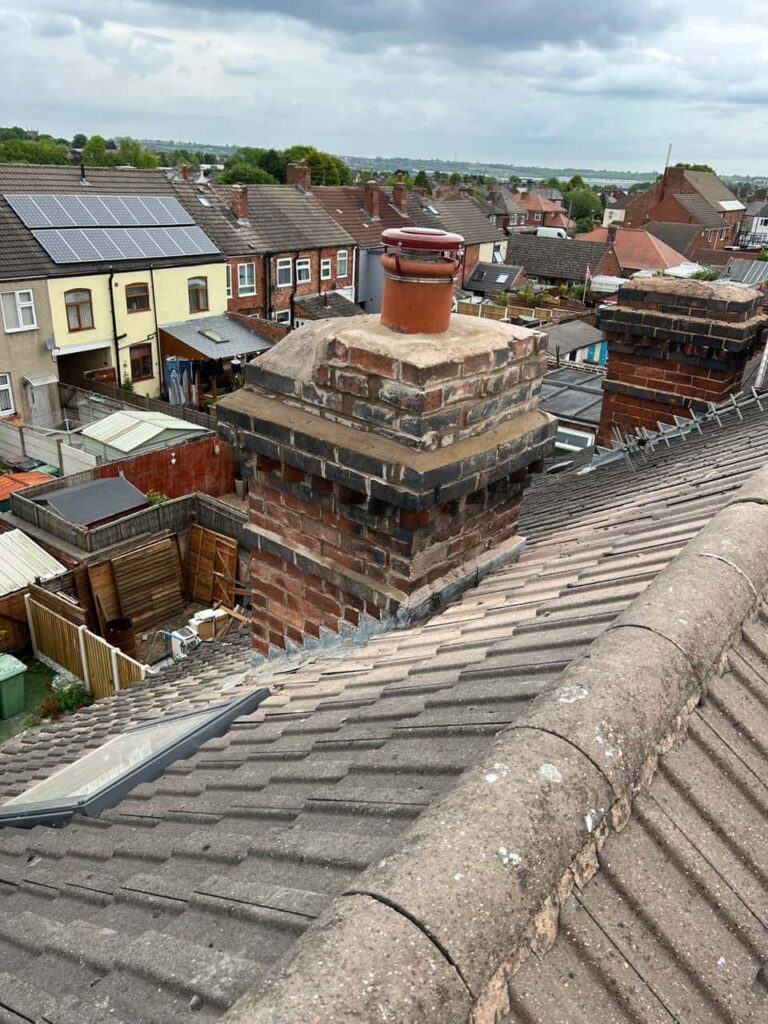
Lead flashing protects the junctions where the roof meets features such as chimneys, walls and other changes in the roof structure. Splits, lifting edges, poor seals or movement can create narrow openings through which water can pass.
Because flashing defects often affect junctions, the resulting moisture may follow masonry or roof timbers before appearing indoors. Checking the condition and detailing of the leadwork is therefore an important part of tracing persistent damp.
Problems Around Valleys and Roof Junctions
Valleys carry significant amounts of rainwater from adjoining roof slopes. Cracks, blockages, displaced materials or deteriorated lining can interfere with this drainage route.
Roof intersections and changes in pitch are similarly vulnerable because several materials meet in one area. A detailed inspection can determine whether water is escaping from its intended path and entering the roof structure.
Failing Ridge, Hip or Verge Details
Ridge tiles, hip tiles and verge sections protect exposed edges and junctions. Cracked mortar, failed fixings or displaced components can allow moisture beneath the surrounding roof covering.
These areas are particularly exposed to wind and rain. Even when the main tiles appear sound, deterioration around the roof’s edges or highest points may be responsible for intermittent damp inside the property.
Deteriorated Underlay and Battens
The underlay beneath tiles or slates provides a secondary barrier against moisture. If it has become torn, brittle or damaged around fixings, it may no longer direct water safely towards the eaves.
Continued dampness can also affect the timber battens supporting the roof covering. An internal loft inspection may reveal staining, water tracks, darkened timber or damp insulation that helps establish how long moisture has been entering and where it is travelling.
Blocked or Defective Roof Drainage
Gutters and other drainage components must carry rainwater away from the roof efficiently. If they are blocked, damaged or incorrectly aligned, water may overflow against fascias, roof edges or external walls.
Persistent moisture around these areas can resemble a direct roof leak. Inspecting the drainage system alongside the roof covering helps prevent the true source from being overlooked.
Is Every Damp Patch Caused by the Roof?
Not all indoor damp originates from damaged roofing. Condensation can form when warm, moisture-laden air meets a cold surface, particularly where ventilation is limited. Plumbing faults and moisture entering through other parts of the building may produce similar symptoms.
Patterns can provide useful clues. Damp that worsens during or shortly after rainfall may suggest external water ingress, while widespread moisture or regular window condensation can indicate an internal humidity issue. A roof inspection can confirm whether roofing defects are present and help narrow down the cause.
What Does a Professional Roof Inspection Examine?
A thorough assessment may include:
- Tiles, slates and their fixings
- Ridge, hip and verge details
- Lead flashing and roof junctions
- Valleys and drainage routes
- Flat roof coverings where present
- Gutters and roof edges
- Underlay, battens and accessible timbers
- Internal signs of moisture within the loft
Looking at these components as one system is more reliable than repairing the first visible defect without checking whether it explains the damp pattern.
Why Accurate Diagnosis Matters
An effective repair must address both the entry point and any surrounding deterioration. Replacing a damaged tile may not resolve the problem if the underlay below it is torn, while sealing one junction will have limited benefit if water is entering elsewhere.
Professional inspection helps define the appropriate repair area and reduces the likelihood of damp returning because an underlying defect was missed. It can also identify developing weaknesses before they cause further water ingress.
Conclusion
A professional roof inspection can often explain persistent indoor damp by tracing moisture back to damaged tiles, deteriorated flashing, failing junctions, defective drainage or problems beneath the roof covering. It can also establish when the roof is sound and another source should be investigated.
If damp continues to return or becomes more noticeable after rainfall, LS Roofing Woodley can inspect your roof and identify any defects contributing to the problem. Contact our team to arrange a professional roof assessment in Woodley, Berkshire.
Call us on: 0118 230 0189
Click here to find out more about LS Roofing Woodley
Click here to complete our contact form and see how we can help with your roofing needs.